
AFL shoulder injuries, Inner West
Tackling, marking and hitting the deck at speed. The three shoulder injuries that follow, and what getting back to full contact actually involves.
AFL loads the shoulder in two ways that do not often appear together. There is the collision side, which behaves like rugby: the tackle, the bump, and landing on the point of the shoulder after a marking contest. Then there is the overhead side, which behaves more like a throwing sport: the spoil, the smother, and hundreds of repetitions of the arm above shoulder height.
Which one caused your problem changes the rehab completely. A dislocation from a tackle needs a staged return to contact. A shoulder that only hurts when you spoil is a load and control problem, and stopping contact will not fix it.
We see AFL players across Sydney Premier and academy level, and two of our physiotherapists have worked inside those programs.

The AFL shoulders that come through
Same shoulder, three quite different problems, and the mechanism usually tells us which before we lay a hand on it.
AC joint from the fall
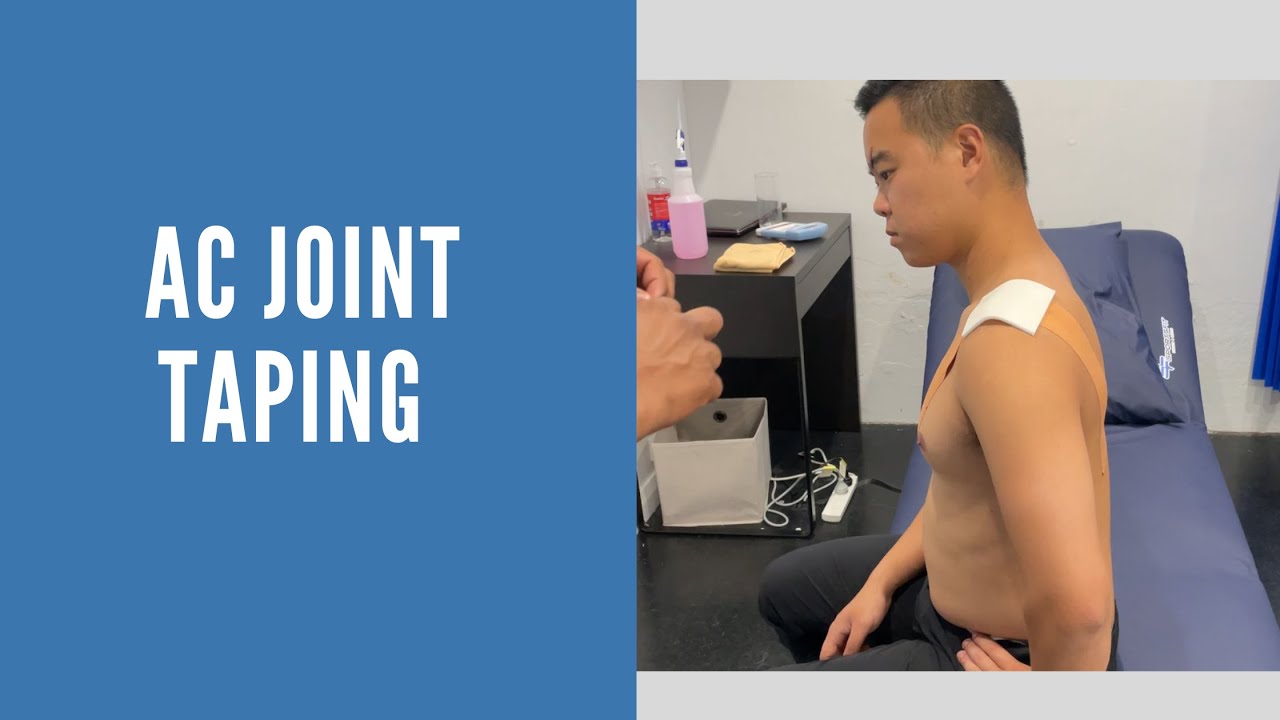
The most common shoulder injury in the game. Contested mark, no arm out to break the fall, straight onto the point of the shoulder. Low grade sprains often return quickly with the right load management; higher grades take longer and the grading is worth getting right.
Dislocation in the tackle
Arm out and turned back as the tackle wraps. Recurrence is common in young players, which is why we assess stability properly rather than waiting to see. Rehab covers both the non-surgical route and the return after a stabilisation.
The overhead shoulder
Pain on the spoil, the smother, or reaching at full stretch, with no single incident behind it. This is a volume and control problem: usually cuff and shoulder blade strength that has not kept up with how much overhead work the position asks for.
Physios who have worked in AFL programs
Both have worked inside AFL environments in Sydney. You can pick who you see when you book.

Prak Sharma
High Performance Physiotherapist and ASCA Level 1 Coach
Has supported Sydney Premier AFL clubs including the South West Sydney Blues and Pennant Hills Demons, and is an ASCA accredited Strength and Conditioning Coach alongside his physiotherapy work.
AHPRA PHY0002909388

Shash Sharma
Senior Physiotherapist
Has worked with the GWS Giants AFL Academy, and with foot, ankle and shoulder problems in field and court sport athletes.
AHPRA PHY0002244698
The clubs we work with
SportsFit supplies the sports trainers for the Inner West Magpies, so our staff are on the sideline for their games. That is where most of these shoulders are first assessed, and it means the handover to the clinic is a conversation rather than a referral letter.
Back to marking and back to tackling
A shoulder that is fine in the gym can still fail in a marking contest, so the last third of the rehab is spent putting the shoulder in the positions the game puts it in.
Overhead first, contact last
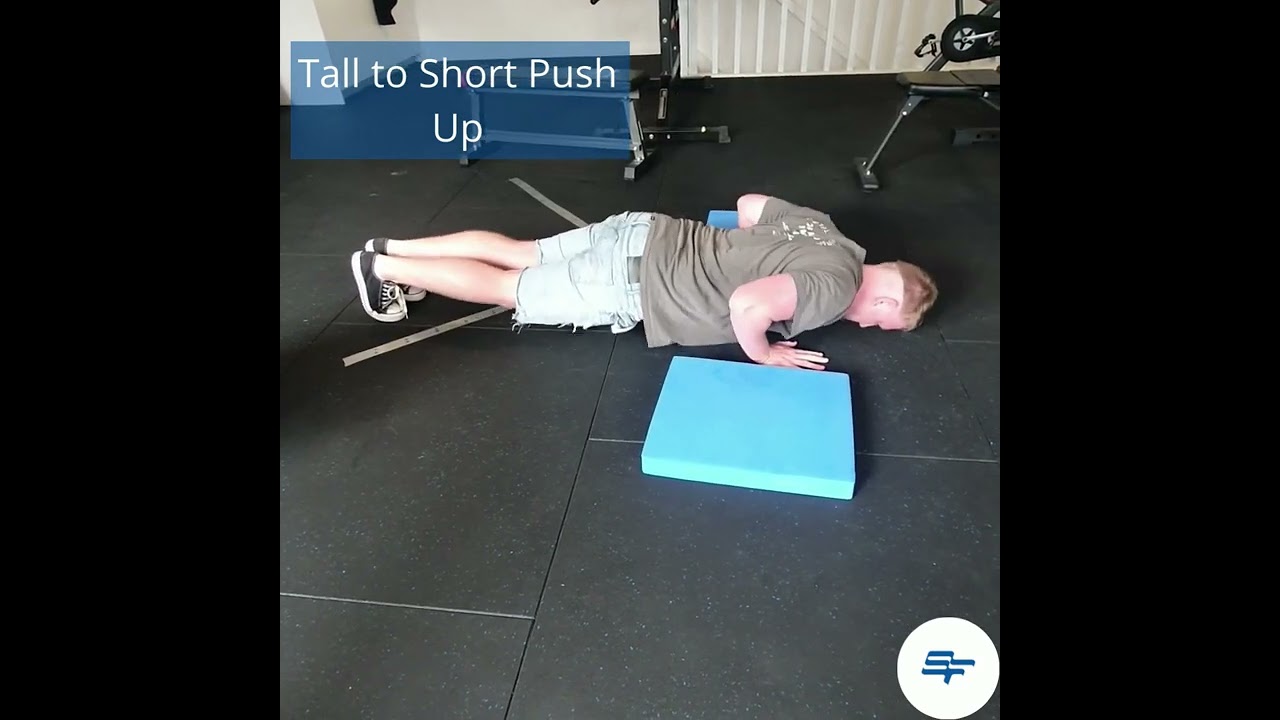
Overhead capacity comes back before contact does, because reaching at full stretch is unavoidable the moment you step back onto the track. We build pressing and reaching strength through full range, then add speed, then add someone else.
What the contact block looks like
- Bag and shield work, so the shoulder takes force from a direction you control
- Wrestling and grappling, which is where the arm gets taken into the position it does not like
- Contested marking with a body on you, at training pace and then at speed
- Full training before full game, always
Measured, not guessed
Rotation strength is tested on a force frame at the start and again before you return, so the comparison is against your own numbers rather than an average. That is the difference between a return to play decision and a hopeful one.
Taping and the last block of rehab
AC joint taping for the fall in a marking contest, and the end-stage work that comes before a return to tackling.
Questions we get asked
My shoulder only hurts when I spoil. Do I need to stop?
How is an AC joint sprain graded, and does it change anything?
Do you work with junior and academy players?
Shoulder holding you back?
Book a free 30 minute call and we will tell you which of the three it looks like and what the next step is.
No gap on an accepted claim · You choose your own physio · Five Dock