
Cricket shoulder injuries, Inner West
The bowling arm and the throwing arm break down differently. Both get assessed against the action you actually perform, not a generic shoulder screen.
Cricket asks one shoulder to do two quite separate jobs. Bowling drives the arm through a high circle at speed, with the load landing on the front of the shoulder as the arm decelerates. Throwing from the deep is a shorter, sharper action that loads the back of the shoulder and the labrum, over and over, on a limb that is already tired from a day in the field.
Most cricket shoulders we see are not one bad ball. They are a jump in volume: a preseason that started late, a week of back to back games, a keeper who has moved into the outfield, a junior who has grown four inches since the last season. The pain usually turns up at a predictable point in the action, and that point is the most useful thing you can tell us.
We assess the shoulder alongside the rest of the chain, because a stiff mid back or a hip that will not rotate makes the shoulder do more work than it was built for.

The cricket shoulders that come through the door
Four patterns cover most of it. Which one you have changes the rehab far more than the name on a scan does.
The throwing shoulder
Pain at the back of the shoulder as the arm cocks back, or a dead arm feeling on the release. Often loss of internal rotation on the throwing side, with the rotator cuff and the labrum taking the deceleration load. Common in outfielders who throw a lot and warm up little.
The bowling shoulder
Pain through the front of the shoulder in the delivery stride, or in the follow through as the arm slows down. We look at run up, front arm and the rotation available through the mid back before we blame the cuff, because the shoulder is usually paying for a restriction somewhere else.
The diving fielder
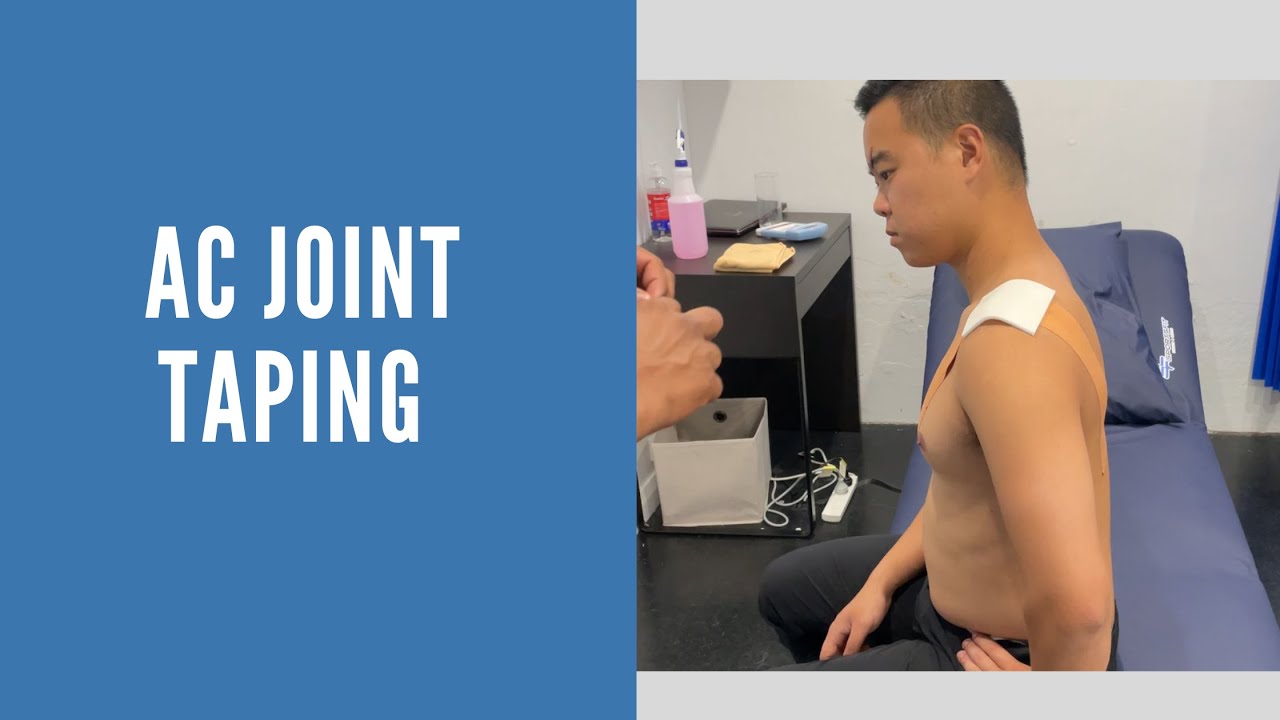
A dive onto an outstretched arm, or landing on the point of the shoulder. That mechanism produces AC joint sprains, and less often a dislocation or a labral tear. Getting the diagnosis right early matters here, because these are the ones where a delayed answer costs a season.
The keeper
Long spells in a low crouch, repeated take and throw, and the occasional hand jammed by an edge. More often a load and control problem through the shoulder blade than a structural one, which is good news for how quickly it settles.
Cricket, from people who play it
Two of our physiotherapists carry cricket in their own background rather than on a list of interests, and shoulders are the founder's own area. You can pick who you see when you book.

Prak Sharma
High Performance Physiotherapist and ASCA Level 1 Coach
A NSW Premier cricketer since 2015 and a cricket coach at The King's School, alongside working as a physiotherapist. He also plays for the Sydney University Cricket Club, and lists cricket athletes among the groups he most enjoys treating.
AHPRA PHY0002909388

Shash Sharma
Senior Physiotherapist
Names cricket-specific problems as a particular interest, including shoulder injuries in throwers and back pain in fast bowlers. Seven years as a physiotherapist across team environments and everyday athletes.
AHPRA PHY0002244698

Jay Kasthuri
Principal and APA Sports Physiotherapist
The founder of SportsFit and an APA Sports and Exercise Physiotherapist, with ACL rehab and shoulder injuries as his two main interests. He is one of the Sports Physiotherapists with the Canterbury Bankstown Bulldogs and lectures on the Sports Medicine Australia courses.
AHPRA PHY0001911268
The cricket clubs we work with
SportsFit sponsors Sydney Cricket Club and the Lankan Islanders, so a good number of the cricket shoulders we see each season come from players at both. Club players are welcome to book the free call directly rather than going through anyone at the club.
This page covers the shoulder. If your problem is a side strain, back pain from fast bowling, or anything else cricket has done to you, our cricket site covers the lot.
Sydney Cricket PhysioFrom the first appointment to your first game back
The first session is an assessment rather than a treatment. We want to know what you bowl or where you field, how many overs or how many throws, what changed in the four weeks before it started, and exactly where in the action it hurts.
We measure the shoulder rather than eyeball it
Rotation range is measured on both sides, and strength is tested on a force frame so internal and external rotation come back as numbers in newtons rather than as strong or weak. Those numbers are what we compare against later, and they are what tell us whether the arm is actually ready or only feels ready.
Load comes back in a planned order
- Settle the irritable tissue and get rotation range back, without stopping everything you can still do
- Rebuild cuff and shoulder blade strength through the range the action needs, not just the range that is comfortable
- Reintroduce speed: throwing distance and bowling volume stepped up week by week, counted rather than guessed
- Retest against your own earlier numbers before you go back to full training
The return is counted
Bowling comes back in overs and throwing comes back in distance and repetitions. We write it down and you work to it, because the single most common reason a cricket shoulder comes back is a jump in volume that nobody was keeping track of.
Shoulder work we actually use
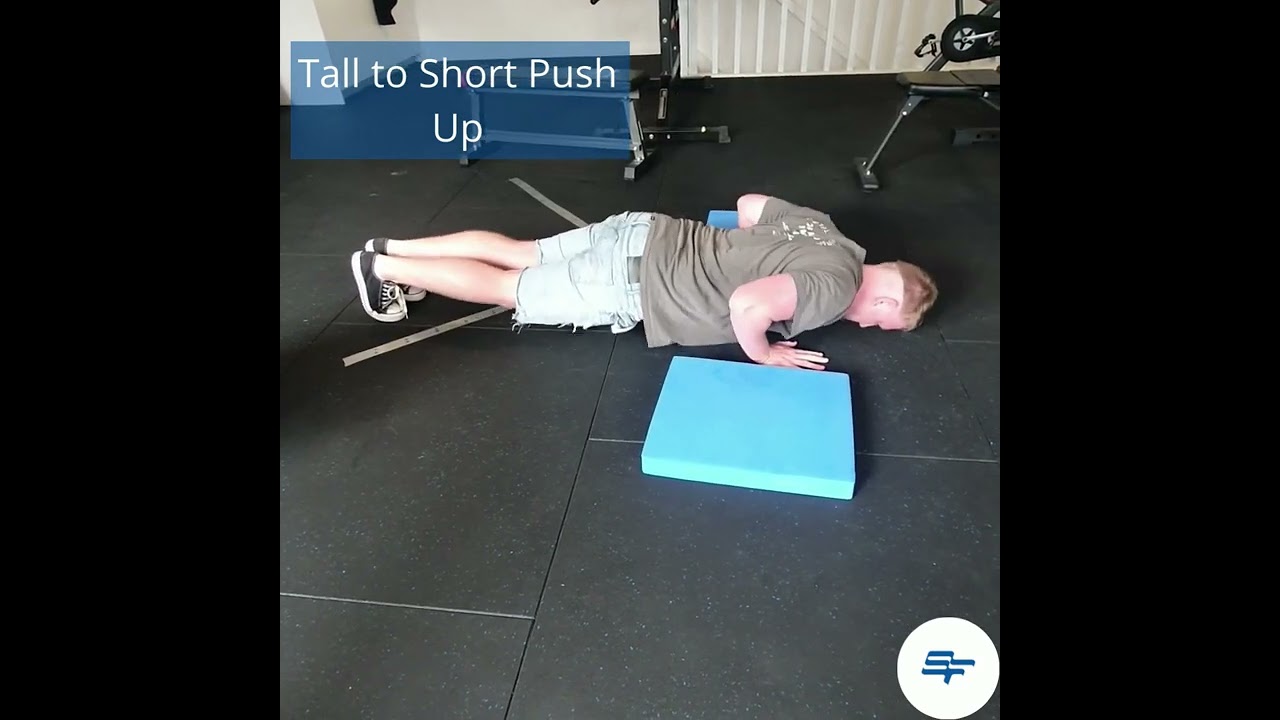
End-stage stability work for a throwing shoulder, and the taping we use when a fielder lands on the point of the shoulder.
Questions we get asked
Can I keep playing while we sort it out?
Do I need a scan first?
How long before I bowl again?
Sore shoulder in the middle of a season?
Book a free 30 minute call and we will tell you whether it needs an appointment, a scan, or a change in how much you are bowling.
No gap on an accepted claim · You choose your own physio · Five Dock