
Tennis shoulder pain, Inner West
The serve is the load. Assessed against your rotation range, your cuff strength and how much you are actually playing.
A tennis shoulder is nearly always a serving shoulder. The service action takes the arm into extreme external rotation at speed and then asks the same muscles to slow it down again, several hundred times a week for a competitive player. Overheads and heavy topspin add to it.
It rarely arrives from one serve. It arrives from a volume change: a new coach, a tournament block, a move up a grade, or a return to the court after a break at the same intensity you left at. Padel and squash produce a similar picture through the overhead and the reaching shots.
The two things worth measuring early are how much rotation the shoulder has compared with the other side, and how strong the cuff is at slowing the arm down. Both are testable here.

The serving shoulder
Where in the action it hurts tells us a good deal about what is going on.
Pain at the top of the wind-up
The arm cocked back at full external rotation. Often relates to the back of the shoulder and the labrum, and frequently comes with a loss of internal rotation on the serving side compared with the other arm.
Pain through the follow-through
Discomfort as the arm decelerates across the body. This is the cuff working eccentrically, and it points at a capacity problem more often than a structural one.
Loss of pace before pain
Serve speed or accuracy drops off before the shoulder actually hurts. Worth acting on, because it is the earliest signal and the cheapest point to intervene.
The stiff mid back
A trunk that will not rotate or extend makes the shoulder find that range itself. Common in people who sit at a desk all week and play hard on the weekend, and often the thing that actually needs treating.
Who handles racquet shoulders here
Aila takes these at Five Dock. If you would rather see someone else, any of our shoulder physiotherapists can take the assessment.

Aila Darabi
High Performance Physiotherapist
Plays tennis and has worked through her own injuries across tennis, touch football, running and gym training, so the conversation about getting back onto the court comes from experience as well as training.
AHPRA PHY0004038031
Coming back to running or endurance sport as well? Triduro is our endurance and triathlon programme, and SportsFit sponsors Balance Tri Club and partners with Triathlon NSW.
Sydney Running PerformanceBack to serving at full pace
You can usually keep playing in some form throughout. Groundstrokes are often available when serving is not, and that matters, because most people asked to stop entirely simply do not.
What we assess
- Rotation range on both sides, since a large side-to-side difference on the serving arm is a known risk factor
- Cuff strength in both directions, measured on a force frame rather than judged by hand
- How the shoulder blade and the mid back move, because the serve borrows range from both
- Your actual serving volume: sessions, sets and what changed recently
Then the load comes back in stages
Serving returns as a counted progression rather than an all-or-nothing return: a set number of serves at a set intensity, stepped up when the shoulder tolerates the previous step. Flat and slice usually come back before heavy kick, because the kick serve asks the most of the shoulder.
Retesting
We retest the same numbers before you go back to full serving, so the decision is made against your own measurements rather than on how the shoulder feels on a good day.
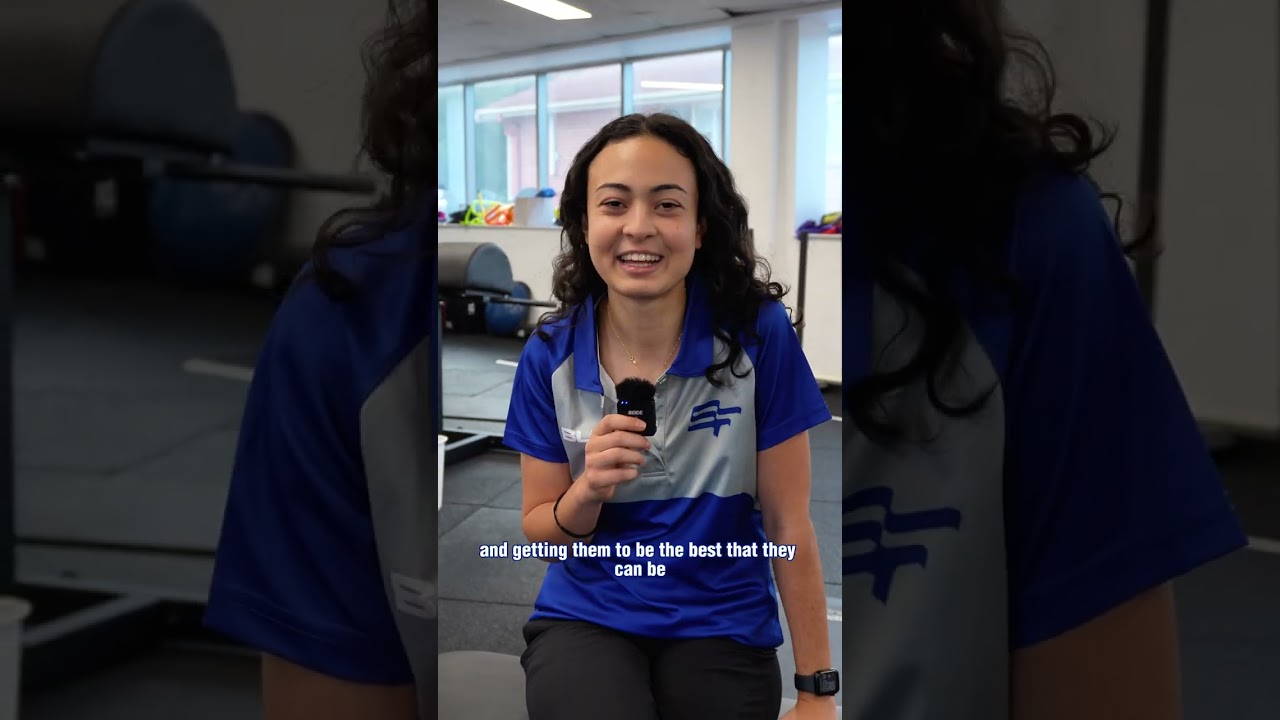
Aila, who takes these
A short introduction to Aila, who plays tennis herself and takes the racquet-sport shoulders at Five Dock.
Questions we get asked
Can I keep playing while my serving shoulder settles?
Is it a rotator cuff tear?
Does tennis elbow have anything to do with this?
Serving shoulder playing up?
Book a free 30 minute call and we will tell you whether it is a range problem, a strength problem, or a volume problem.
No gap on an accepted claim · You choose your own physio · Five Dock