
Latarjet shoulder rehab, Five Dock
A staged program worked to your surgeon's protocol, with the strength numbers to show where you actually are.
A Latarjet transfers a piece of bone, with its attached tendon, to the front of the shoulder socket. It is usually done where there is bone loss at the front of the glenoid or where a previous stabilisation has not held, and it is a bigger operation than an arthroscopic repair.
Rehab afterwards runs over several months and is staged: protected range early while the bone heals into place, then progressive loading, then a return to the positions and forces the shoulder has to tolerate. The stages are set by your surgeon and by tissue healing, not by how good the shoulder feels in any given week.

How the program is structured
Timeframes below are typical rather than promised. Your surgeon's protocol is the document we work to, and where it differs from this, it wins.
Early, protected
Sling as directed, with range limited in the directions your surgeon specifies. The work here is elbow, wrist and hand movement, scapular setting, and keeping the rest of you moving.
Range
Range restrictions come off in the order the protocol sets, usually with external rotation last. Active movement is built up before any meaningful load goes through the shoulder.
Loading
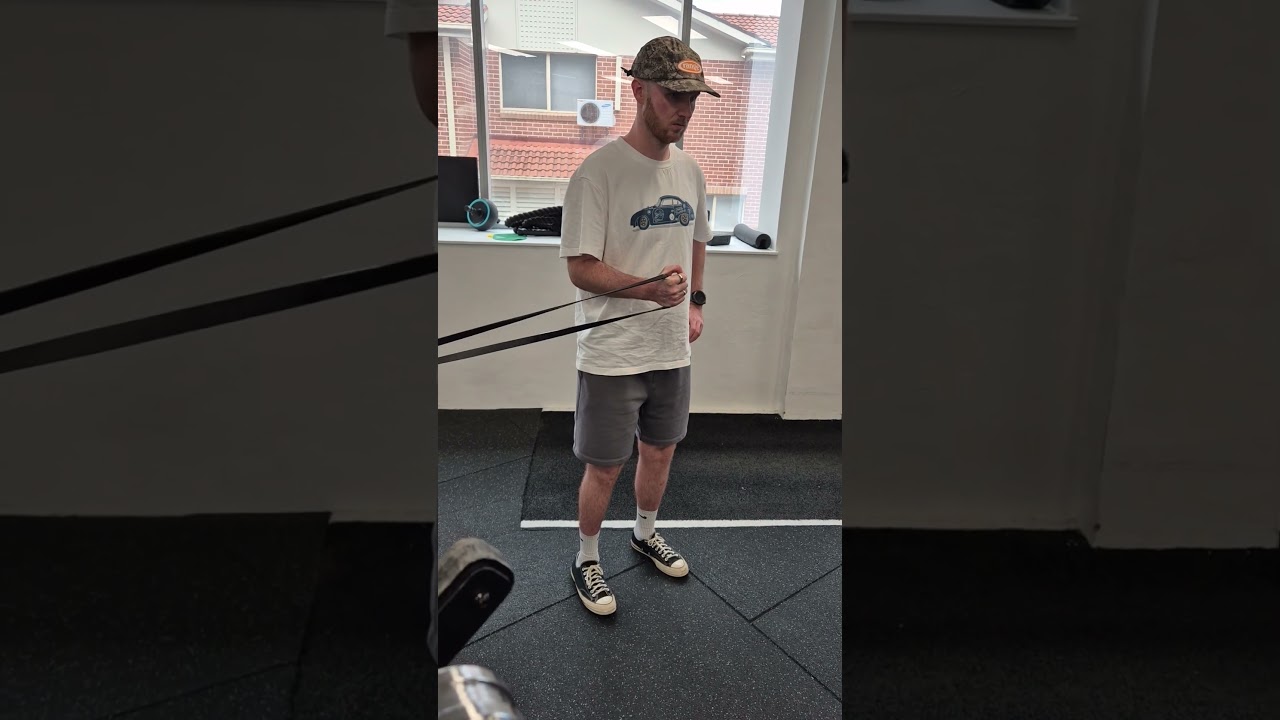
Progressive strength work for the cuff and the shoulder blade, moving from positions close to the body outwards. This is the stage in the stage two video on this page.
Return to load and contact
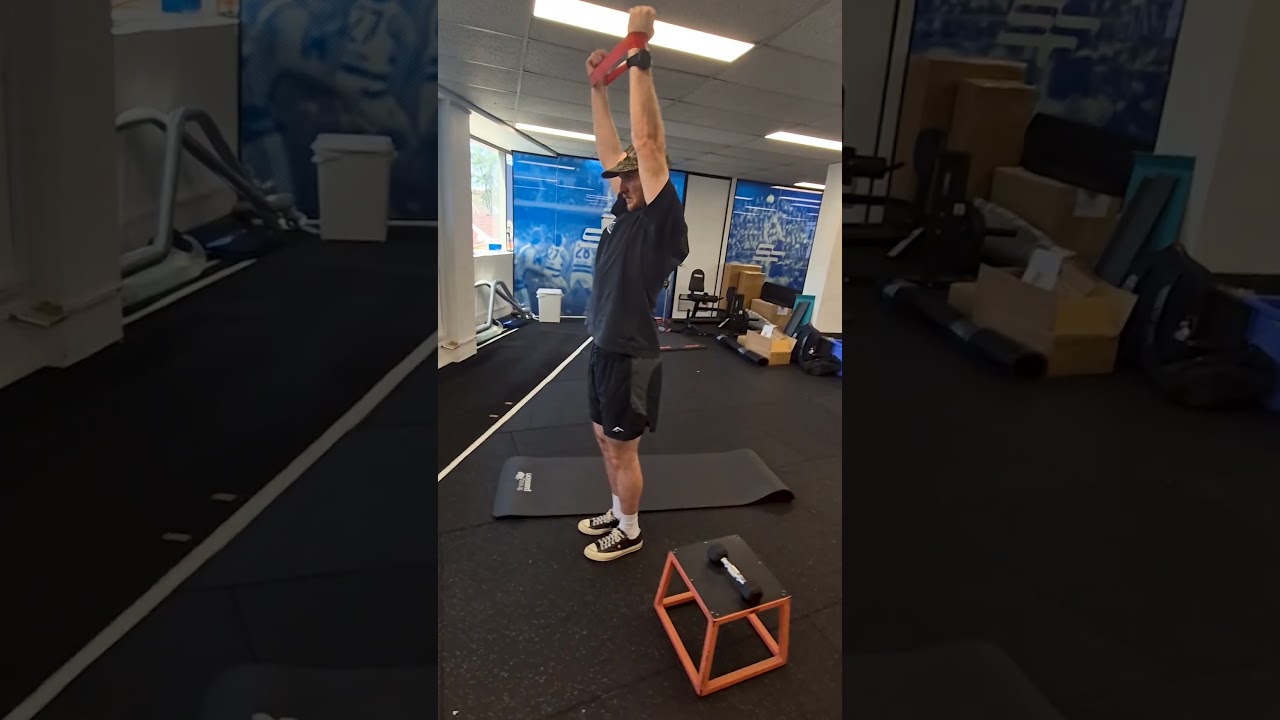
Heavier loading, overhead positions, and for contact athletes a graded reintroduction of force. Strength is re-tested here rather than judged by eye, and the numbers inform the conversation about clearance.
How we work with your surgeon
Bring your operation report and your post-operative protocol to the first appointment if you have them. If you do not, tell us who operated and we will write and ask. Working to the wrong range restrictions after a bone block procedure is not a small error, so we would rather wait a day for the document than guess at it.
What we send back
- A letter after the initial assessment setting out where the shoulder is and the plan
- Strength testing figures at the points where the protocol has decisions in it
- A note if anything is not progressing the way the protocol expects
Testing
External and internal rotation strength are measured on both sides through the program, and we look at the ratio between them as well as the raw figures. Comparing the operated shoulder against your own other side is more useful than comparing it against an average, particularly for an overhead athlete whose baseline was never average to begin with.
Ice and compression at home
We hire out an ice and compression unit with a shoulder garment, at $130 a week including GST with the fitting included at Five Dock. It circulates water anywhere from 2 to 45 degrees, so it runs cold or warm on the same machine, with compression that either pulses or holds a steady pressure. Whether it suits your situation and what settings to use is your surgeon's call, and we set the machine to match. There is one machine, so tell us your surgery date early if you want it.

The hire page has the rest of it: what is in the kit, all eight garments, what the machine sets to and how the fitting works.
Ice and compression hireStage two and stage three, filmed in the gym
Two points in a Latarjet rehab program, showing the loading used once early range of movement goals are met and again later in the process.
Questions we get asked
How long is the whole thing?
When can I drive?
Do I need to see the surgeon and a physio?
Can I start before the operation?
Booked in for a Latarjet, or just had one?
Book a free 30 minute call. Tell us who is operating and when, and we will tell you what the first few weeks look like.
No gap on an accepted claim · You choose your own physio · Five Dock