
Physio after shoulder surgery
Arthroscopy, stabilisation, cuff repair and replacement each have their own timeline. We work to the one your surgeon wrote.
Rehab after shoulder surgery is not one program. What is repaired determines what has to be protected, for how long, and in which directions, and a program written for the wrong operation can put a repair at risk. The first thing we want is your surgeon's protocol.
What is common across all of them is the shape: a protected period while tissue heals, then range, then load, then a return to whatever you need the shoulder for. What differs is how long each of those takes and what is off-limits during them.

What we see most
Broad shapes rather than protocols. Yours comes from your surgeon.
Arthroscopic stabilisation
Keyhole repair of the labrum and capsule after instability. External rotation is usually the last range restriction to come off, because it is the direction that stresses the repair.
Rotator cuff repair
The protected period is longer than most people expect and is driven by how the tendon heals to bone. Active movement is introduced in stages, and loading the repaired tendon comes later still.
Latarjet
A bone block procedure for instability with bone loss. It has its own page on this site with the staged rehab videos.
Shoulder replacement
Total and reverse replacements have different rules, particularly around which movements to avoid, because the mechanics of the joint have changed. Getting that distinction right matters more here than almost anywhere else.
Before and after
Prehab is worth asking about
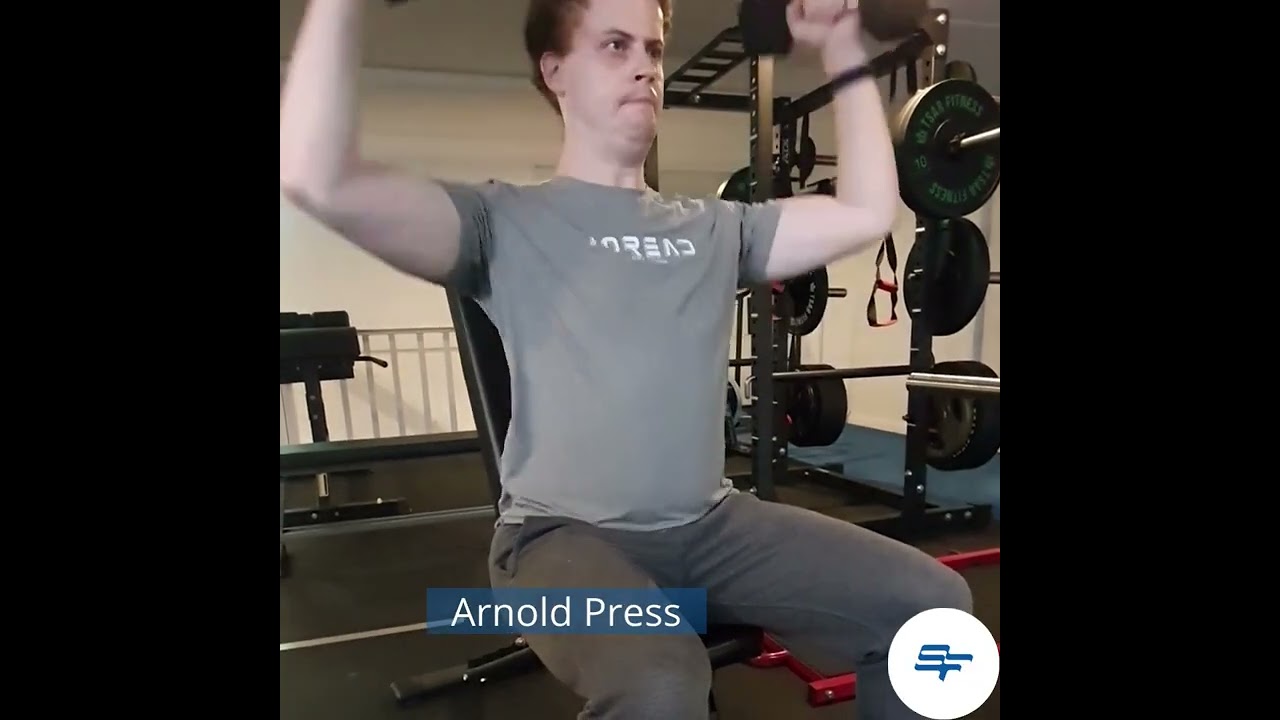
If you have a date and some weeks before it, that time is worth using. Going into an operation with better shoulder blade control, a stronger arm and a clear idea of what the first fortnight looks like gives you more to work with afterwards and fewer surprises. There is a video on this page showing the kind of loading involved.
What we need from you
- The operation report, if you have it
- The post-operative protocol from your surgeon
- The date of surgery and the name of the surgeon
- Any range or loading restrictions you were given verbally
Ice and compression at home
We hire out an ice and compression unit, and one of its eight garments is cut for the shoulder. It circulates water through the garment anywhere from 2 to 45 degrees, so it runs cold or warm on the same machine, and applies compression that either pulses or holds a steady pressure. Pressure is set from level 0 to 5 and the timer from 10 to 60 minutes.
Whether cold, warmth or compression suits your situation, and how often to use it, is a decision for your surgeon and your treating physio. We set the machine to what they have asked for at the fitting, and write the settings down so nobody is guessing at home.

- $130 a week including GST, one week minimum, then week to week
- Fitted by a physio at Five Dock, and the fitting is included
- There is one machine, so tell us your surgery date early if you want it
A note on the videos
The clips on this site cover instability, Latarjet rehab and prehab, because those are the ones we have filmed. There is no footage here of arthroscopic stabilisation or replacement rehab. That is a gap in what we have recorded rather than a gap in what we treat.
The hire page has the rest of it: what is in the kit, all eight garments, what the machine sets to and how the fitting works.
Ice and compression hireThe work that happens before the operation
Going into a shoulder operation stronger gives you more to work with afterwards. This is the kind of loading we use in the weeks beforehand.
Questions we get asked
How soon after surgery should I start?
My surgeon gave me a protocol. Do you follow it?
Can I claim this on private health?
What if I had surgery a long time ago and it still is not right?
Can I hire an ice and compression machine for afterwards?
Shoulder surgery coming up, or just had it?
Book a free 30 minute call. Tell us the operation and the date and we will tell you what the rehab involves and when to come in.
No gap on an accepted claim · You choose your own physio · Five Dock