
Shoulder instability and dislocation
A shoulder that has come out once is more likely to come out again. What happens in the months afterwards changes that number.
A dislocation stretches or tears the structures that hold the joint together, and the shoulder afterwards is often not just weaker but harder to control in the positions where it feels least secure. Recurrent instability is when that keeps happening, sometimes with less and less force each time.
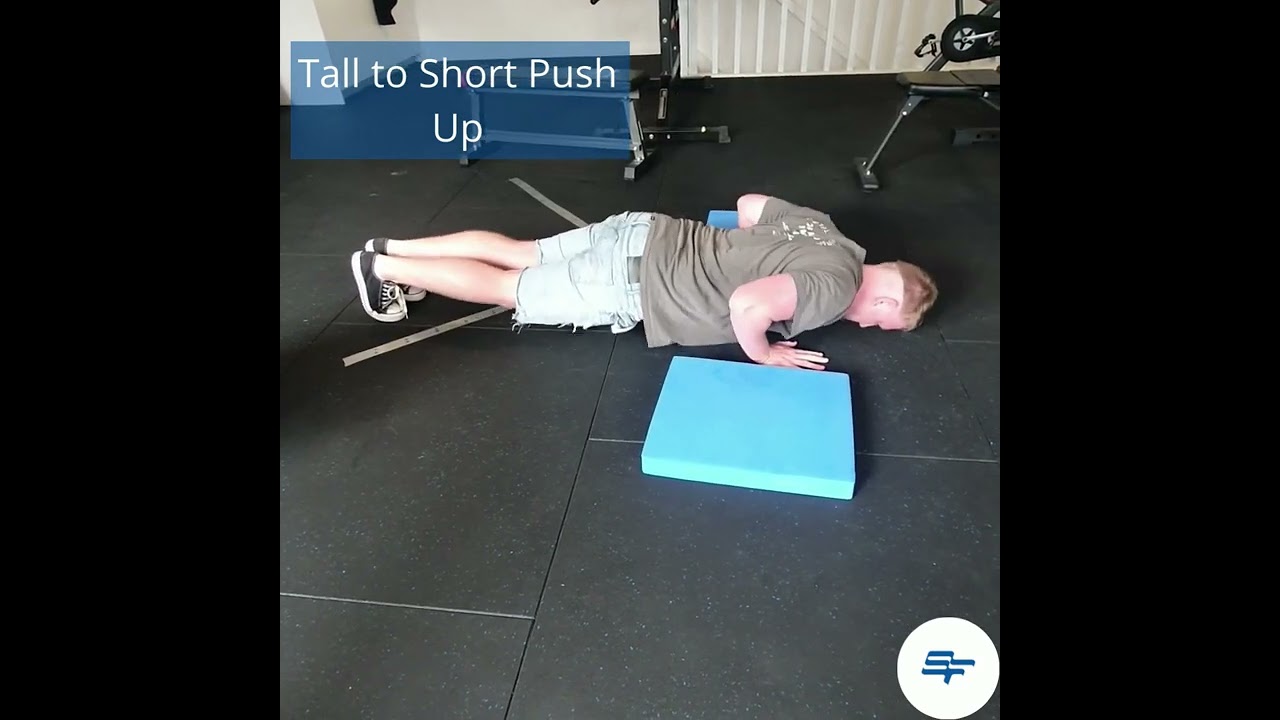
Rehab for instability is not the same as rehab for a painful shoulder. The work is about control in the vulnerable positions, strength through range, and eventually re-exposing the shoulder to the things that put it at risk in the first place, which for most people means overhead positions and contact.

What instability rehab covers
Roughly in order, though the stages overlap and the timeline depends on what was injured.
Settling and protected range
Early on the shoulder is sore and the priority is regaining range in the directions that are comfortable while keeping the joint out of the positions that threaten it.
Strength through range
Rotator cuff and shoulder blade strength, built in positions that are tolerated and then progressively closer to the ones that are not. Measured on both sides so progress is visible.
Overhead control
The position most shoulders feel least secure in, and the one most often skipped. Loading overhead is a stage in its own right rather than something that happens by accident at the end.
Contact preparation
For anyone going back to a contact sport, the shoulder needs exposure to force it did not choose. Skipping this is the most common reason a shoulder feels ready in the gym and does not hold up on the field.
Surgery, and when it comes up
Not every unstable shoulder needs an operation, and not every one avoids it. The things that tend to push the conversation toward surgery are how many times it has come out, how little force it takes, how old you were at the first dislocation, what the imaging shows about the bone and the labrum, and what you want to go back to.
The two operations we see most
- Arthroscopic stabilisation, where the labrum and capsule are repaired through keyhole surgery
- Latarjet, where a piece of bone is transferred to the front of the socket, usually where there is bone loss or where a previous repair has not held
Both have staged rehab afterwards and both are protocol-driven, which means your surgeon sets the range and loading limits and we work inside them. There is a page on this site for Latarjet rehab specifically.
Taping
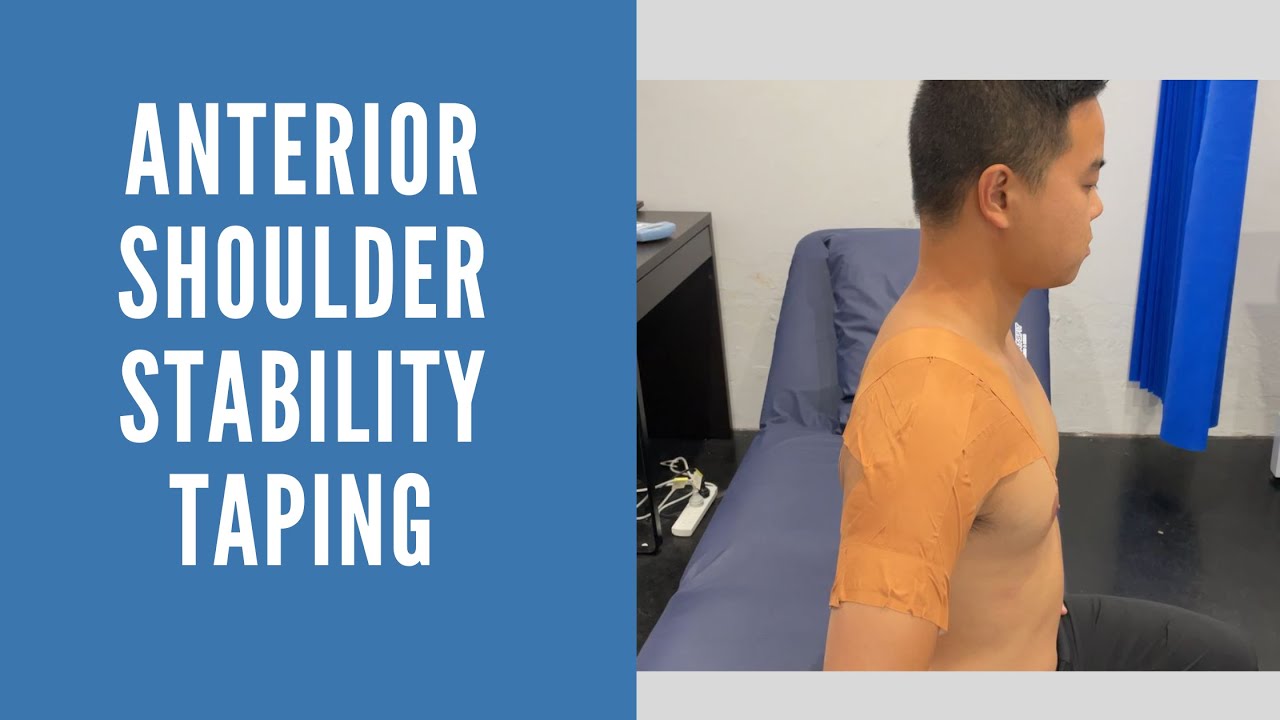
Taping does not hold a shoulder in place, and anybody who tells you it does is overselling it. What it can do is give you feedback about where the arm is, which some people find useful while the shoulder is still settling or during a return to sport. We will show you how to do it yourself.
What the rehab actually looks like
Strength work in overhead positions, preparation for contact, and the taping we use while a shoulder is still settling.
Questions we get asked
How long before I can play again?
My shoulder went back in by itself. Does that still count?
Will I definitely need surgery?
Do you work with shoulder surgeons?
Shoulder come out, or feel like it might?
Book a free 30 minute call and tell us what happened. We will tell you what an assessment would look at and whether a surgical opinion is worth getting.
No gap on an accepted claim · You choose your own physio · Five Dock