
Rugby shoulder injuries, Inner West
The tackle produces a small number of shoulder injuries over and over. Rehab is built around getting you back into contact, not just out of pain.
A rugby shoulder is almost always a collision rather than a slow build. The arm is out to the side and turned back as the tackle lands, or you hit the ground on the point of the shoulder, and something gives. That is a different problem from an overhead sport, and it needs a different end point: you are not finished when the shoulder stops hurting, you are finished when it holds up under contact.
The three that make up most of it are the AC joint sprain, the first-time dislocation, and the stinger. They look similar for the first week and diverge sharply after that, which is why the assessment matters more than the initial soreness does.
We treat league, union and the codes around them, at club and pathways level. Several of our physiotherapists work or have worked inside those environments.

The four that cover most rugby shoulders
Getting the right one named in the first week is what decides whether the rest of the season is available to you.
AC joint sprain
Landing on the point of the shoulder, or a shoulder charge gone wrong. Pain right on top of the joint, sometimes a visible step. Most low grade sprains return to contact well; the grading and the position you play both change the timeline.
Dislocation and instability
The arm out and turned back in the tackle. A first dislocation in a young contact athlete carries a genuinely high chance of it happening again, which is why the conversation about surgery starts early rather than after the third one. We rehab both the non-surgical and the post-operative route.
Stinger or burner
A burning line down the arm after a hit, often with a few seconds of weakness. Usually settles quickly. The ones worth taking seriously are those that recur, last more than a few minutes, or affect both arms, and we will tell you which yours is.
Cuff pain in the older player
More common in the over-thirties and in front rowers carrying years of load. It behaves like a load problem rather than a traumatic one, and it responds to strength work more than to rest.
Physios who work in the game
Three of our team have worked inside rugby league or union programs. You can choose who you see when you book.

Jay Kasthuri
Principal and APA Sports Physiotherapist
One of the Sports Physiotherapists with the Canterbury Bankstown Bulldogs, working within their Elite Pathways squads from under 16 to under 21. An APA Sports and Exercise Physiotherapist, a lecturer on the Sports Medicine Australia courses, and the founder of SportsFit. Shoulders and ACL rehab are his two main interests.
AHPRA PHY0001911268

Prak Sharma
High Performance Physiotherapist and ASCA Level 1 Coach
Has worked as the Pathways Physiotherapist for the North Sydney Bears Rugby League, and is an ASCA accredited Strength and Conditioning Coach as well as a physiotherapist.
AHPRA PHY0002909388

Shash Sharma
Senior Physiotherapist
Has worked with Manly Mermaids Rugby, Parramatta Two Blues Rugby and Northwest Sydney Gridiron, and with field and court sport athletes more broadly.
AHPRA PHY0002244698
The clubs we work with
SportsFit sponsors Sydney Uni Rugby League and covers their match days, so we see rugby shoulders the way they actually present: on a Saturday, with a game the following week and a decision to make about it.
Getting back into contact, in stages
Rehab for a contact athlete has a step that other sports do not have. Strength and range come back first, the same as anywhere else, but the last block is about tolerating impact and reacting when you cannot see it coming.
The stages
- Protect and settle: range, pain and getting the arm moving again
- Rebuild: cuff and shoulder blade strength, then pressing and pulling load through full range
- Position specific: the arm loaded out to the side and turned back, which is the position the injury happened in
- Contact: bag work, then wrestle and grapple, then controlled contact, then full training
- Retest before you play, against your own numbers from earlier in the block
We test the shoulder rather than take your word for it
Internal and external rotation strength are measured on a force frame, side to side, so we can see whether the injured shoulder has genuinely caught up. Feeling ready and being ready are not the same thing, and in a contact sport the gap between them is where the second injury lives.
If you are going to have surgery
We rehab shoulder stabilisations, including Latarjet, and work to the protocol your surgeon sets. If a stabilisation is on the table we will say so early, because a decision made in April is a very different season from the same decision made in July.
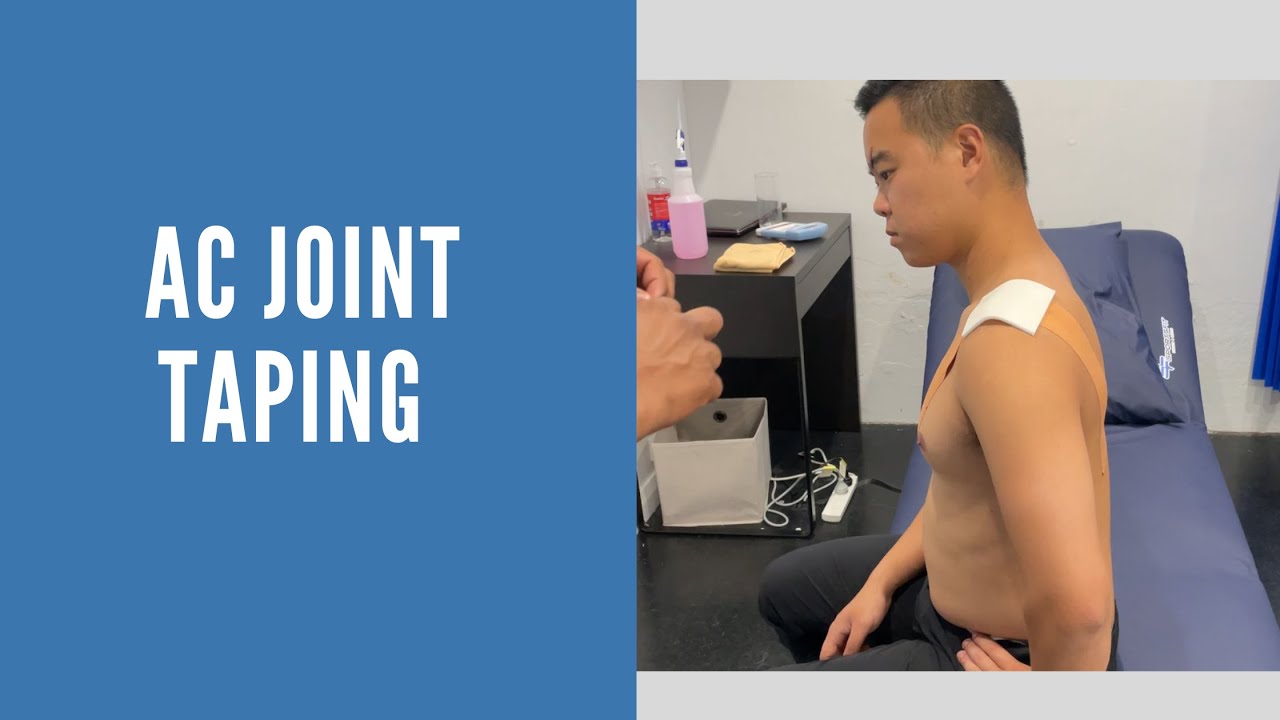
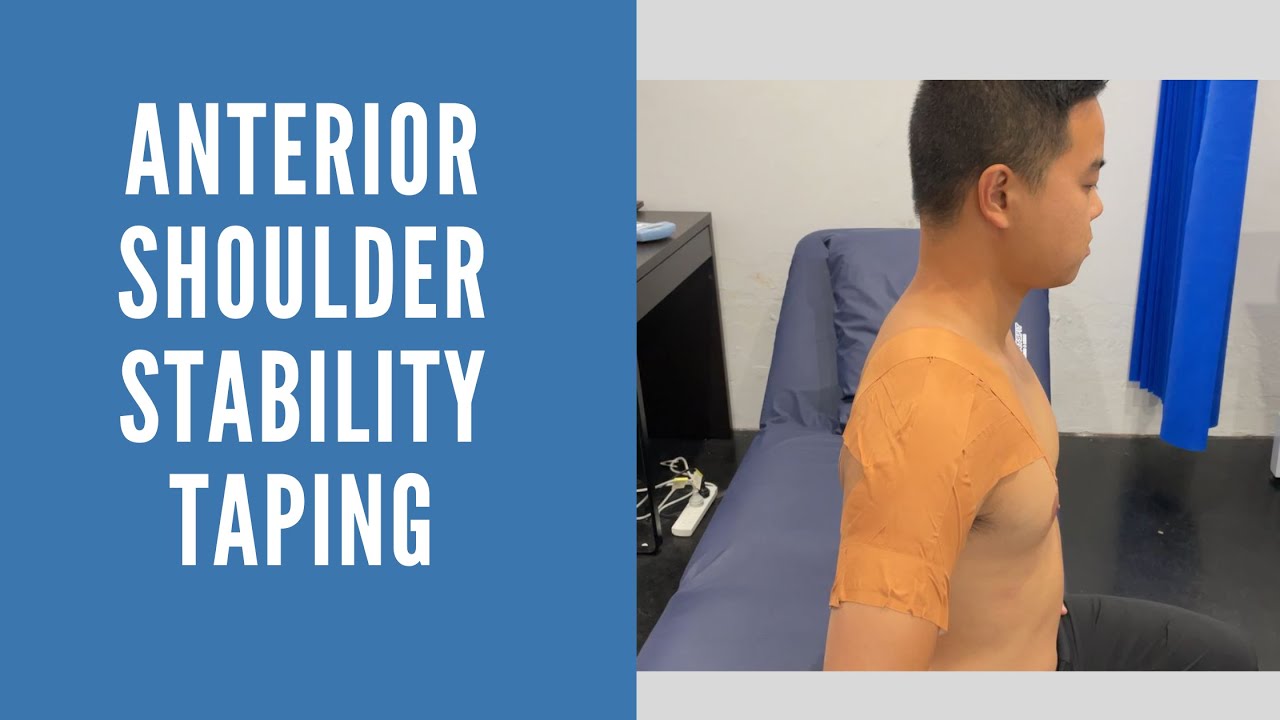
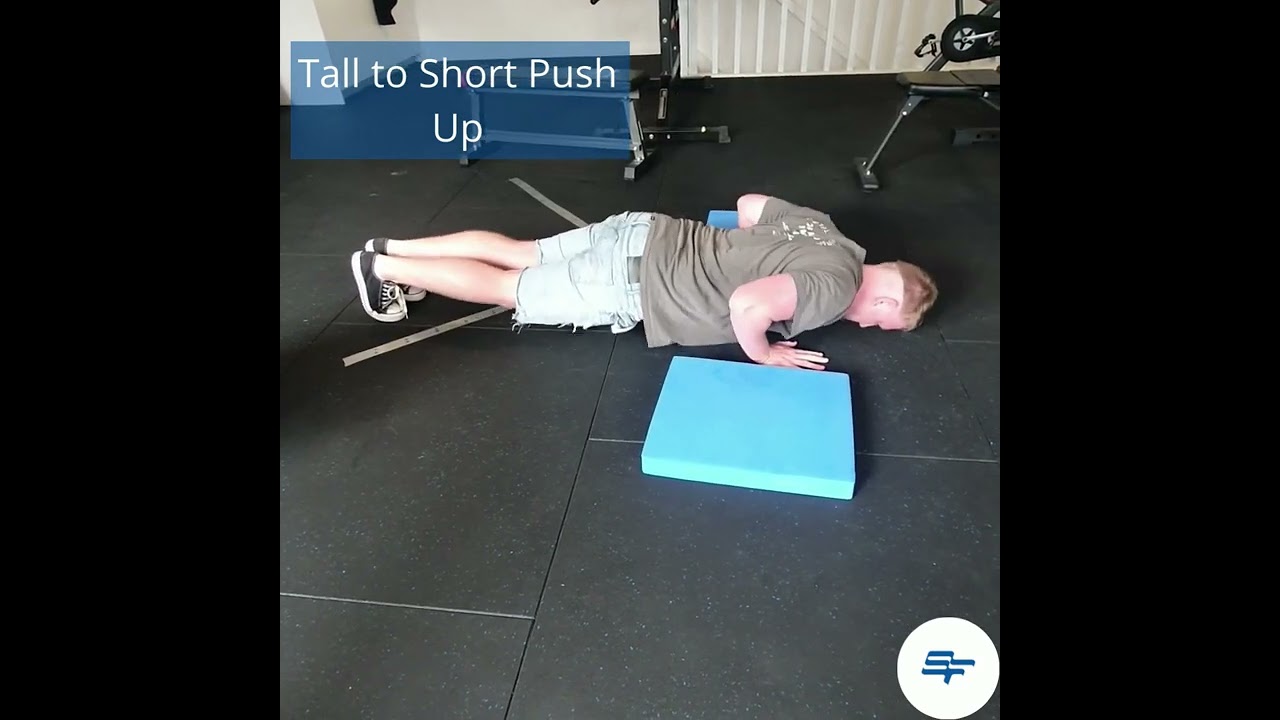
Taping and end-stage work for contact
The two tapings we use most in a contact code, and what the last block of rehab looks like before you go back into a tackle.
Questions we get asked
I dislocated my shoulder for the first time. Do I need surgery?
How long until I can tackle again?
Can I train while my shoulder settles?
Shoulder gone in a tackle?
Book a free 30 minute call. We will tell you what it looks like, whether it needs a scan, and what the realistic timeline is.
No gap on an accepted claim · You choose your own physio · Five Dock